Heygears Reflex Pulsing Release Module Review: Who It Fits and Who Should Skip It
As an Amazon Associate we earn from qualifying purchases. Links on this page are affiliate links.
This heygears pulsing release module heated review covers the UltraCraft Pulsing Release Module and Tank Kit. It is an add-on for Reflex RS and RS Turbo printers that uses periodic pressure cycles to manage the release film. The two defining specs are a 50% reduction in peeling force and up to 20% faster print speeds with compatible resins. These mechanical changes directly impact layer separation efficiency. You get smoother releases and reduced stress on delicate models. This kit integrates directly with the printer’s resin tank system to optimize the curing process.
What stands out
- Reduces peeling force by approximately 50% per layer using positive and negative pressure cycles.
- Delivers up to 20% faster print speeds with specific resins like PAU10.
- Enables designs with up to 25% fewer supports, saving material and time.
- Required for high-performance resins like PAC10, PAE10, and PAU20 to unlock full potential.
Who it fits
Good fit for
This kit suits users printing with HeyGears high-performance resins such as PAC10, PAE10, and PAU20. It is ideal for those who want to minimize support structures and save resin. You should choose this if you print models with walls thicker than 3mm. The module is also necessary for users who need faster turnaround times without sacrificing precision. It fits well in setups already using Reflex RS or RS Turbo printers.
Who should skip it
You should look at another option if you use water-washable resins like PAWW10 or PAWW20, as this module is not compatible with them. Avoid this kit if your models have thin walls of 3mm or less, as performance may suffer. It is also not suitable if you prefer standard printing workflows without optimized release cycles. Users relying on incompatible resin brands will find no benefit from this hardware upgrade.
Verdict: This module is a functional upgrade for Reflex users printing with specific high-performance resins. It delivers measurable speed and material savings for compatible models.
Key specs for this module
50% less peeling force
The module uses periodic inflation and deflation to reduce separation resistance. This lower force ensures smoother layer release and greater print stability. You benefit from fewer failed prints and less stress on delicate parts. This feature is essential for maintaining consistency in high-resolution resin prints compared to standard tanks.
Up to 20% faster print speed
Reduced release resistance allows the build plate to lift more quickly. This accelerates your workflow by shortening the curing-to-release interval. You achieve higher throughput with specific resins like PAU10 without sacrificing precision. This speed gain helps you complete projects faster than with conventional release methods.
25% fewer supports
Lower separation force minimizes stress on thin structures during printing. You can design models with less support material, resulting in cleaner surfaces. This reduces the time spent removing supports and lowers overall resin consumption. It is particularly useful for intricate geometries that require minimal additional structure.
Compatible with almost all HeyGears resins
The module integrates seamlessly with most HeyGears resin types. It is required for high-performance resins like PAC10, PAE10, and PAU20 to unlock their full mechanical potential. You can rely on it for diverse material needs. Note that it is not compatible with PAWW10 and PAWW20 water-washable resins.
Design and Build Overview
The listing describes this unit as a resin printing accessory for the Reflex RS and RS Turbo. It combines a pulsing release module with a heated resin tank. The core mechanism relies on periodic inflation and deflation to manage the release film. This design choice directly impacts your workflow by reducing peeling force. You get smoother layer separation, which helps maintain print stability during long jobs.
According to the listing, the kit is compatible with most HeyGears resins. It is required for high-performance materials like PAC10, PAE10, and PAU20. These resins need the module to reach their full mechanical potential. However, the data notes it is not compatible with PAWW10 and PAWW20 water-washable resins. You must check your material list before purchasing to avoid integration issues.
The design also affects your model choices. The listing advises against using this module for delicate models with walls three millimeters or thinner. The reduced separation force can still stress thin structures if not managed correctly. You should consult support for design optimization if your parts are intricate. This hardware is built for efficiency and material savings, but it demands careful planning for fragile geometries.
Setup And Everyday Use
You install this kit as an add-on for the Reflex RS or Reflex RS Turbo. The listing presents it as a combined unit with a heated resin tank. You do not need to source separate components. The setup focuses on integrating the periodic inflation and deflation mechanism into your existing workflow. Once connected, the module manages the release film through precise pressure cycles. This mechanical action is the core of your daily operation. You benefit from a consistent separation force that the specs define as fifty percent lower than standard methods. This reduction allows for smoother layer releases. You will notice faster printing speeds, up to twenty percent faster with compatible materials like PAU10. The shorter curing-to-release intervals mean you spend less time waiting between layers. You also use twenty-five percent fewer supports. This saves material and reduces post-processing time. The module works with almost all HeyGears resins. It is mandatory for high-performance materials such as PAC10, PAE10, and PAU20. You cannot use it with PAWW10 or PAWW20 water-washable resins. Daily use requires careful model design. The specs warn against printing delicate structures with walls three millimeters or thinner. The reduced separation force helps, but thin walls may still suffer stress. You should consult support for design optimization if your models are intricate. The heated tank keeps resin at optimal viscosity. This combination ensures stable prints. You get cleaner surfaces and easier support removal. The system is designed for reliability. You do not need to adjust settings manually for the pressure cycles. The hardware handles the complexity. You focus on the resin choice and model geometry. This approach suits users who print frequently. It reduces failure rates. It saves material costs. It speeds up production. You get consistent results layer after layer.
Before You Buy This Kit
You need to verify resin compatibility before purchasing this kit. The module works with most HeyGears materials but excludes PAWW10 and PAWW20 water-washable resins. You must also check your model geometry. The listing advises against using this module for delicate structures with walls thinner than 3mm. You may need to adjust your slicing settings to take advantage of the reduced support requirements. This allows for up to 25% fewer supports, which saves material and simplifies post-processing. You should also consider the heated tank component. It ensures consistent resin viscosity, which complements the pulsing release mechanism. This kit fits best for users printing high-performance resins like PAC10, PAE10, and PAU20. These materials require the module to unlock their full mechanical properties. You will see up to 20% faster print speeds with specific resins like PAU10. Regular maintenance of the release film is essential for optimal performance. You should monitor the film for wear to maintain the precise pressure cycles. This accessory suits professionals who prioritize speed and surface quality over cost savings.
Check before you buy
- Verify your resin is not PAWW10 or PAWW20
- Check if your model has walls thinner than 3mm
- Confirm you are using Reflex RS or RS Turbo
- Ensure you need high-performance resin capabilities
The product at a glance
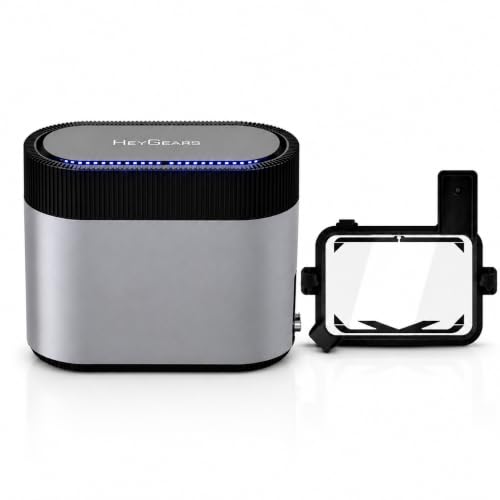
HeyGears Reflex Pulsing Release Module and Tank Kit
Best for: high-performance resin printing with fewer supports
- Printing Technology
- Resin
- Color
- Grey
View on Amazon: HeyGears Reflex Pulsing Release Module and Tank Kit Affiliate link
The HeyGears Pulsing Release Module reduces peeling force by 50% using periodic inflation and deflation. This mechanism allows for up to 20% faster print speeds and requires 25% fewer supports. It is compatible with most HeyGears resins but is required for high-performance materials like PAC10. You should use this module to improve stability and efficiency on your Reflex RS or RS Turbo printer.
Pros
- Reduces peeling force by approximately 50%
- Increases print speed by up to 20%
- Requires 25% fewer supports for models
- Compatible with almost all HeyGears resins
Cons
- Not compatible with PAWW10 and PAWW20 water-washable resins
- Not recommended for delicate models with walls 3mm or less
- Requires specific resin types to unlock full mechanical potential
Good fit if
- You print with high-performance resins like PAC10 or PAE10
- You want to reduce support material usage
- You need faster print speeds with stable releases
Skip if
- You primarily use PAWW10 or PAWW20 water-washable resins
- You frequently print delicate models with thin walls under 3mm
- You do not own a Reflex RS or RS Turbo printer
Verdict: HeyGears Pulsing Release Module for Reflex RS is ideal for users printing high-performance resins who need reduced support usage and faster cycle times. It does not fit those relying on water-washable resins or printing very thin-walled structures.
Specifications side by side
| Spec | HeyGears Reflex Pulsing Release Module and Tank Kit |
|---|---|
| Printing Technology | Resin |
| Color | Grey |
Frequently asked questions
Which 3D printers work with this module?
This kit is designed specifically for the HeyGears Reflex RS and Reflex RS Turbo printers. It functions as an add-on component for these specific models. You do not need to source separate parts for compatibility. The listing presents it as a combined unit that integrates directly with your existing printer setup. Verify your printer model before purchasing to ensure it fits your system.
What resin materials are compatible?
The module works with most HeyGears materials. However, it excludes PAWW10 and PAWW20 water-washable resins. You must verify resin compatibility before purchasing this kit. The module is ideal for users printing high-performance resins. It is not suitable for those relying on water-washable options. Check your material list to ensure it matches the supported types.
Does it reduce support structures?
Yes, this module is best for high-performance resin printing with fewer supports. The periodic pressure cycles help manage the release film more effectively. This reduction in peeling force allows for smoother layer release. You benefit from greater print stability and fewer failed prints. The lower stress on delicate parts makes it ideal for complex geometries that require minimal support.
Is the resin tank heated?
Yes, the kit includes a heated resin tank. The listing describes it as a combined unit with the pulsing release module. The heating function helps maintain resin viscosity during printing. This feature contributes to faster cycle times and consistent print quality. You do not need to source a separate heated tank, as it is included in the package.
Can I print thin-walled structures?
No, the listing advises against using this module for delicate structures with walls thinner than specified limits. The pulsing mechanism may not provide the gentle release needed for very thin features. You should avoid this kit if your designs include fragile, thin-walled parts. It is better suited for robust, high-performance resin prints that can withstand the periodic pressure cycles.
How does the pulsing mechanism work?
The module uses periodic inflation and deflation to manage the release film. This action creates a pulsing effect that reduces separation resistance. The lower force ensures smoother layer release and greater print stability. You benefit from fewer failed prints and less stress on the build plate. This mechanism is the core feature that distinguishes it from standard resin printing setups.