Features Explained: What It Means for 3d Printers
As an Amazon Associate we earn from qualifying purchases. Links on this page are affiliate links.
Features Explained: Resume And Open Source
When you browse listings for 3D printers, you will often see two specific features highlighted. These are resume printing and open source software. Understanding what these terms mean helps you choose the right tool for your needs. This guide breaks down each feature so you can make an informed decision without confusion.
Resume printing is a practical safety net for your projects. It allows the printer to pause and then restart from the exact point of interruption. Power outages or accidental filament runs are common reasons for pauses. Without this feature, you must delete the failed print and start over. With resume printing, the machine returns to the last successful layer. This saves material and time. You should look for this capability in the product specifications. It is usually listed as a standard function on most modern machines.
Open source refers to the software and hardware design being publicly available. This means the code for the printer’s firmware is accessible to everyone. You can modify the software to add new functions or fix bugs. The hardware designs are also often shared, allowing you to build or repair parts yourself. This transparency encourages a large community of users. They share improvements and solutions online. If you enjoy tinkering or customizing your device, open source is valuable. It gives you control over your machine. However, it requires some technical interest to fully utilize.
Both features address different aspects of the printing experience. Resume printing handles immediate physical interruptions. Open source software offers long-term flexibility and customization. When comparing options, check if the listing mentions these traits. They are key components of features explained in buying guides. Knowing how they work helps you avoid frustration later. You get a machine that fits your workflow better. This clarity is essential for any buyer looking at 3D printers and making tools today.
Resume And Open Source Explained
Resume Printing
This feature allows the printer to restart a job from the point of failure rather than starting over. Power outages or filament runs can interrupt prints. The machine saves the current layer and continues afterward. This saves material and time. The Monoprice Mini Delta v2 includes this function. It helps small print jobs in tight spaces. You avoid losing hours of work if the power flickers. This is practical for long prints. It reduces waste. It suits beginners who want reliability. The trade-off is minor complexity in the firmware. It does not fix mechanical errors. It only handles interruptions.
Open Source
Open source means the printer’s firmware and design are public. You can modify the code and hardware. This allows deep customization. You can tweak settings for better performance. The Longer LK5 Pro Large Open-Source 3D Printer offers this flexibility. It fits users who want to change how the machine works. You are not locked into one manufacturer’s settings. This suits makers who like to tinker. It offers freedom to improve the printer. The trade-off is that you need technical knowledge. You must understand firmware to use it well. It requires more effort than closed systems. It rewards those who want control over their tools.
Is Resume And Open Source Worth It
Who needs it
You should prioritize these features if you print large models or use expensive materials. Resume printing protects your time and resources when unexpected interruptions occur. Power fluctuations or minor tangles can stop a job. Without this feature, you lose the entire print. With it, the machine saves its place and continues later. This is crucial for long prints that take days. Open source software offers flexibility for advanced users. You can modify the code to suit specific needs. It allows integration with third-party tools and custom workflows. If you want full control over your printing process, open source is essential. It supports a wide range of plugins and enhancements. This combination ensures reliability and customization for serious makers.
Who can skip it
You can ignore these features if you print small items quickly. Short prints rarely face interruptions that require resuming. If your power supply is stable, resume printing adds little value. Open source software may introduce complexity you do not need. If you prefer simple, plug-and-play operation, proprietary systems are often easier. They offer streamlined interfaces without the need for coding knowledge. For casual users, stability and ease of use matter more. You might prioritize faster print speeds or larger build volumes instead. These features do not directly improve print quality. They focus on convenience and flexibility. If you are new to 3D printing, start with a straightforward machine. You can explore advanced features later when your skills grow. Prioritize reliability and support for your initial purchases.
Key Printer Specs Defined
Printing Technology
The method used to create objects, such as FDM melting plastic or SLA curing resin. Your choice affects surface finish, strength, and material compatibility.
Color Printing
The ability to print in multiple hues, often using dual extruders or special filaments. This feature allows you to create detailed models without post-painting.
Compatible Material
The types of filament or resin the machine can process, like PLA, ABS, or PETG. Checking this list ensures you can use your preferred supplies.
Print Speed
How fast the extruder moves, measured in millimeters per second. Higher speeds reduce wait times but may impact layer adhesion or surface quality.
Extruder Type
The mechanism that pushes filament into the hotend, such as direct or bowdrive. Direct extruders handle flexible materials better, while bowdrive offers more travel distance.
Structure
The frame construction, including rigid aluminum or open acrylic designs. A sturdy frame reduces vibration and wobble, leading to more precise and consistent prints.
Leveling
The process of aligning the build plate with the nozzle, either manually or via sensors. Auto-leveling saves time and helps prevent first-layer adhesion failures.
Quick picks
| # | Product | Best for | Price |
|---|---|---|---|
| 1 | Longer LK5 Pro Large Open-Source 3D Printer | Large open-source prints for beginners | Check price of Longer LK5 Pro Large Open-Source 3D Printer on Amazon |
| 2 | Longer LK5 Pro Large-Format 3D Printer | Large open-source FDM printing | Check price of Longer LK5 Pro Large-Format 3D Printer on Amazon |
| 3 | Longer LK5 Pro Large-Format 3D Printer | Users wanting open source firmware and large prints | Check price of Longer LK5 Pro Large-Format 3D Printer on Amazon |
| 4 | Monoprice Mini Delta v2 Wi-Fi 3D Printer | small print jobs and open source users | Check price of Monoprice Mini Delta v2 Wi-Fi 3D Printer on Amazon |
| 5 | Longer LK5 Pro Large FDM Printer | Large open-source FDM printing | Check price of Longer LK5 Pro Large FDM Printer on Amazon |
| 6 | Longer LK5 Pro Large 3D Printer | Large prints and quiet open-source operation | Check price of Longer LK5 Pro Large 3D Printer on Amazon |
Our 6 picks

Longer LK5 Pro Large Open-Source 3D Printer
Best for: Large open-source prints for beginners
- Features
- Resume Printing, Open Source (what this guide is about)
- Build Volume
- 300*300*400mm
- Print Speed
- 180mm/s
- Printing Technology
- FDM
- Target Audience
- Beginners
- Color
- Black
View on Amazon: Longer LK5 Pro Large Open-Source 3D Printer Affiliate link
This Larger LK5 Pro 3 is an FDM 3D printer with a 300x300x400mm build volume. It features open-source firmware and resume printing capabilities. The unit includes a triangular structure for stability and TMC2209 drivers for quiet operation. It suits beginners who need a large canvas for DIY projects and school use. The 180mm/s speed offers decent throughput for its class.
Pros
- 300x300x400mm build volume for large prints
- Open-source firmware allows G-code customization
- Resume printing after power outages
- 180mm/s print speed
- Triangular structure for stability
Cons
- No app control or Wi-Fi mentioned
- No touchscreen display listed
- Requires some assembly despite 90% pre-assembled claim
Good fit if
- You need a large build volume for big projects
- You want open-source firmware for customization
- You are a beginner looking for stability
Skip if
- You require wireless connectivity
- You want a fully assembled unit
- You need a touchscreen interface
Verdict: The Longer LK5 Pro 3 Open Source 3D Printer is a stable choice for beginners who prioritize build size and firmware flexibility over smart features. It fits users who want to customize their prints and print large objects without needing app control.
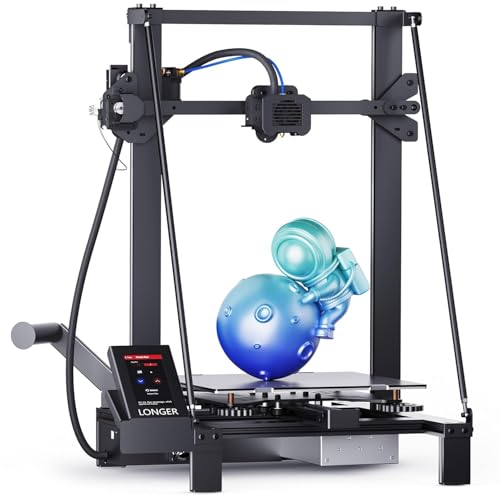
Longer LK5 Pro Large-Format 3D Printer
Best for: Large open-source FDM printing
- Features
- Resume Printing, Open Source (what this guide is about)
- Build Volume
- 11.8 x 11.8x 15.7in. / 300*300*400mm
- Print Speed
- 180mm/s
- Printing Technology
- FDM
- Target Audience
- Beginners
- Color
- Black
View on Amazon: Longer LK5 Pro Large-Format 3D Printer Affiliate link
The Longer LK5 Pro 3 offers a 300 x 300 x 400 mm build volume and 180 mm/s print speed. It uses FDM technology with a stable triangular frame. The open-source motherboard allows G-code customization. Resume printing saves filament after power loss. This model suits beginners who need a large canvas for DIY projects.
Pros
- 300 x 300 x 400 mm build volume
- 180 mm/s high-speed printing
- Open-source firmware for G-code mods
- Auto-resume printing after power loss
Cons
- FDM technology limits fine detail
- No mention of Wi-Fi connectivity
- 90% pre-assembled requires minor setup
Good fit if
- You need a large build volume for big parts
- You want to customize firmware settings
- You prefer auto-resume for long prints
Skip if
- You require fully enclosed printing
- You need wireless remote control
- You want sub-millimeter precision
Verdict: The Longer LK5 Pro 3 300mm Open Source fits makers who need a large print area and open hardware. It delivers fast FDM printing with useful resume features for home use.
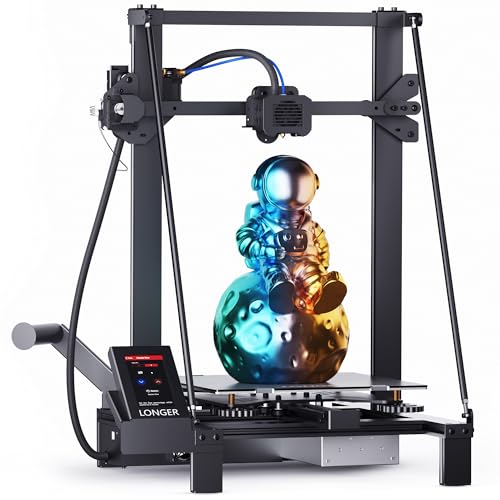
Longer LK5 Pro Large-Format 3D Printer
Best for: Users wanting open source firmware and large prints
- Features
- Open Source (what this guide is about)
- Build Volume
- 11.8 x 11.8x 15.7in. / 300*300*400mm
- Print Speed
- 180mm/s
- Printing Technology
- FDM
- Color
- Black
- Dimensions
- 24.4 × 7.68 × 23.4 inches
View on Amazon: Longer LK5 Pro Large-Format 3D Printer Affiliate link
The Longer LK5 Pro is an FDM 3D printer with a large build volume of 300x300x400mm. It features a fully open source motherboard and TMC2209 silent drivers. The unit prints at speeds up to 180mm/s and includes resume printing and filament detection. This model suits users who want to modify firmware or need a spacious print area for larger projects.
Pros
- Fully open source motherboard for firmware customization
- Large 300x300x400mm build volume
- TMC2209 silent drivers for quiet operation
- Resume printing function after power loss
Cons
- Compatible material limited to PLA in data
- No mention of Wi-Fi or app control
- Heavy at 27 pounds
Good fit if
- You want to modify printer firmware
- You need a large build volume
- You prefer silent printing drivers
Skip if
- You need multi-material printing
- You want app-based remote control
- You require a lightweight portable unit
Verdict: The Longer LK5 Pro Open Source 3D Printer fits users who need a large print area and the freedom to tweak firmware. It is a solid choice for makers who value quiet operation and customizable settings.

Monoprice Mini Delta v2 Wi-Fi 3D Printer
Best for: small print jobs and open source users
- Features
- Resume Printing, Open Source, Wi-Fi (what this guide is about)
- Build Volume
- 110 x 120 mm
- Leveling Type
- Advanced Gcode Auto Leveling
- Compatible Material
- PLA, ABS
- Color
- Black
- Dimensions
- 17.5 × 11.8 × 11 inches
View on Amazon: Monoprice Mini Delta v2 Wi-Fi 3D Printer Affiliate link
The Monoprice Mini Delta v2 is a compact FDM printer with a 110 x 120 mm build volume. It features resume printing to recover from power loss and open source compatibility with Cura for advanced users. Wi-Fi connectivity via the PoloPrint Pro app allows remote monitoring. The unit includes auto leveling and quiet operation at 30 dBA, making it suitable for small spaces.
Pros
- Resume printing recovers jobs after interruptions
- Open source firmware supports Cura slicing
- Wi-Fi connectivity via PoloPrint Pro app
- Auto leveling simplifies setup
- Quiet operation at 30 dBA
Cons
- Small 110 x 120 mm build volume
- No physical display mentioned in specs
- Limited to PLA and ABS materials
Good fit if
- You need a compact printer for small parts
- You want resume printing for reliability
- You prefer open source slicing software
Skip if
- You require large build volumes
- You need support for engineering filaments
- You prefer manual leveling control
Verdict: The Monoprice Mini Delta v2 3D Printer suits users who need a small, quiet machine with resume printing and open source flexibility. It fits well in tight spaces where large printers cannot go.
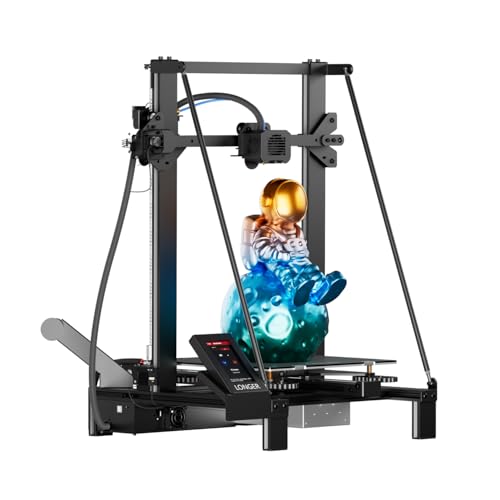
Longer LK5 Pro Large FDM Printer
Best for: Large open-source FDM printing
- Features
- Resume Printing, Open Source (what this guide is about)
- Build Volume
- 300*300*400mm
- Printing Technology
- FDM
- Target Audience
- Beginners
- Color
- Black
- Dimensions
- 10 × 10 × 10 inches
View on Amazon: Longer LK5 Pro Large FDM Printer Affiliate link
The Longer LK5 Pro 3 offers a 300x300x400mm build volume for large prints. It includes resume printing and open-source firmware for customization. The 4.3-inch color screen simplifies operation. You get a pre-assembled unit with a stable triangular frame. It suits beginners who need a spacious, reliable FDM printer with basic smart features.
Pros
- 300x300x400mm large build volume
- Resume printing after power loss
- Open-source firmware for G-code changes
- 4.3-inch full-color touch screen
Cons
- Filament run-out sensor requires installation
- BL-Touch probe not included
- No wireless connectivity listed
Good fit if
- You need a large build area for bigger models
- You want open-source firmware for customization
- You prefer a color touch screen over knobs
Skip if
- You require built-in wireless monitoring
- You want a fully enclosed chamber
- You need a smaller footprint for tight spaces
Verdict: The Longer LK5 Pro 3 Large FDM Printer fits users who prioritize a large build volume and open-source flexibility. It is a practical choice for beginners who value a color interface and resume printing capabilities.

Longer LK5 Pro Large 3D Printer
Best for: Large prints and quiet open-source operation
- Features
- Resume Printing, Open Source (what this guide is about)
- Build Volume
- 11.8 x 11.8x 15.7in. / 300*300*400mm
- Print Speed
- 180mm/s
- Printing Technology
- FDM
- Target Audience
- Beginners
- Color
- Black
View on Amazon: Longer LK5 Pro Large 3D Printer Affiliate link
This FDM printer offers a 300x300x400mm build volume for large projects. It supports 180mm/s print speeds and features an open-source motherboard with TMC2209 drivers for quieter operation. The resume printing function helps recover from power failures. It is designed for beginners who need a spacious workspace and reliable performance without complex assembly.
Pros
- 11.8 x 11.8 x 15.7 inch build volume
- 180mm/s maximum printing speed
- Open source motherboard with TMC2209 silent drivers
- Resume printing after power failure
Cons
- 28.7 pounds weight makes it heavy to move
- Open source firmware requires technical knowledge to modify
- No mention of Wi-Fi or remote connectivity
Good fit if
- You need a large build volume for big prints
- You want silent operation during long jobs
- You prefer open-source hardware for customization
Skip if
- You require a compact desktop footprint
- You need plug-and-play wireless control
- You want a lightweight portable printer
Verdict: Longer LK5 Pro 3 Large 3D Printer suits users who prioritize large print areas and quiet, customizable hardware. It is a solid choice for beginners tackling big projects who do not need wireless connectivity.
Specifications side by side
| Spec | Longer LK5 Pro Large Open-Source 3D Printer | Longer LK5 Pro Large-Format 3D Printer | Longer LK5 Pro Large-Format 3D Printer | Monoprice Mini Delta v2 Wi-Fi 3D Printer | Longer LK5 Pro Large FDM Printer | Longer LK5 Pro Large 3D Printer |
|---|---|---|---|---|---|---|
| Build Volume | 300*300*400mm | 11.8 x 11.8x 15.7in. / 300*300*400mm | 11.8 x 11.8x 15.7in. / 300*300*400mm | 110 x 120 mm | 300*300*400mm | 11.8 x 11.8x 15.7in. / 300*300*400mm |
| Print Speed | 180mm/s | 180mm/s | 180mm/s | not stated | not stated | 180mm/s |
| Printing Technology | FDM | FDM | FDM | not stated | FDM | FDM |
| Leveling Type | not stated | not stated | not stated | Advanced Gcode Auto Leveling | not stated | not stated |
| Compatible Material | not stated | not stated | not stated | PLA, ABS | not stated | not stated |
| Leveling | not stated | not stated | not stated | Auto Leveling | not stated | not stated |
| Features | Resume Printing, Open Source | Resume Printing, Open Source | Open Source | Resume Printing, Open Source, Wi-Fi | Resume Printing, Open Source | Resume Printing, Open Source |
| Target Audience | Beginners | Beginners | not stated | not stated | Beginners | Beginners |
| Color | Black | Black | Black | Black | Black | Black |
| Dimensions | 20 × 20 × 15 inches | 11.8 × 15.7 × 11.8 inches | 24.4 × 7.68 × 23.4 inches | 17.5 × 11.8 × 11 inches | 10 × 10 × 10 inches | 11.8 × 11.8 × 15.7 inches |
| Weight | not stated | not stated | 5.29 pounds | 2.2 pounds | not stated | 28.7 pounds |
| Size | Longer-LK5 Pro | not stated | LK5 PRO Upgraded | 110 x 120 mm | LGT-LK5PRO | 11.8x11.8x15.7 in |
| Model | LK5 Pro | LK5 Pro-B1 | not stated | 121666 | LK5 Pro | LK5 Pro |
Frequently asked questions
Does open source mean I can install custom firmware?
Yes, open source allows you to modify or replace the printer's operating system. This gives you freedom to tweak settings for better performance. The Longer LK5 Pro models listed here support this flexibility. You can customize the hardware and software to fit your specific printing needs.
How does resume printing save filament?
Resume printing saves filament by restarting a job from the last successful layer instead of starting over. If power fails or the filament runs out, the printer remembers its position. This prevents wasting the material already used. It is a practical feature for long prints on machines like the Monoprice Mini Delta v2.
Can I use resume printing with large models?
Yes, resume printing is especially useful for large models that take many hours. Large prints have a higher chance of interruption due to power issues or tangles. The Longer LK5 Pro Large 3D Printer includes this feature. It ensures you do not lose progress on big projects like the 20-inch build volume models.
Is open source better for beginners?
Open source can be beneficial for beginners who want to learn how their machine works. It allows you to customize settings without vendor restrictions. The Longer LK5 Pro is marketed as a stable choice for beginners. It offers firmware flexibility, letting you explore advanced configurations while maintaining a user-friendly interface.
Do all listed printers support resume printing?
Most of the listed printers support resume printing, but not all. The Monoprice Mini Delta v2 and the various Longer LK5 Pro models all include this feature. However, one specific Longer LK5 Pro variant only lists open source as a feature. Always check the specific attributes for the model you are considering.
What is the benefit of open source hardware?
Open source hardware means the design and software are publicly available. You can repair, modify, or upgrade parts more easily. This flexibility is ideal for makers who want to tweak their printer. The Longer LK5 Pro series emphasizes this trait, allowing users to customize settings and hardware for quiet operation or larger prints.
Does resume printing work with Wi-Fi printers?
Yes, resume printing works independently of Wi-Fi connectivity. It relies on the printer's internal memory to track layers. The Monoprice Mini Delta v2 has Wi-Fi but also includes resume printing. This means you get remote monitoring capabilities along with the safety net of restarting from the last good layer.