Comgrow vs BIQU: 3d Printer Accessories Compared by Specs
As an Amazon Associate we earn from qualifying purchases. Links on this page are affiliate links.
This comgrow vs BIQU 3d printer accessory guide compares two build surfaces for different printer sizes. Both products offer magnetic removal for easy print release. The Comgrow plate fits 235x235mm beds, while the BIQU option covers larger 257x257mm platforms. You also get a double-sided surface on the BIQU model, providing two distinct textures for different printing needs.
Key differences
| Aspect | Comgrow 235x235mm Magnetic Build Surface | BIQU 257x257mm PEO and PEI Build Plate |
|---|---|---|
| Build Plate Size | 235x235mm | 257x257mm |
| Surface Type | Single-sided magnetic sticker | Double-sided (Smooth PEO and Textured PEI) |
| Material | Soft magnetic sticker | Spring steel with PEI/PEO coating |
| Weight | 8.82 ounces | not listed |
| Thickness | 0.08 inches | 0.39 inches |
Which one should you choose?
Choose Comgrow 235x235mm Magnetic Build Surface if
- You need a replacement for a 235x235mm printer bed
- You prefer a thinner, lighter build surface
- You want a simple single-sided magnetic plate
Choose BIQU 257x257mm PEO and PEI Build Plate if
- You print on 257x257mm machines like Bambu Lab models
- You want two different surface textures on one plate
- You prefer a spring steel base for durability
Verdict: Choose the Comgrow plate if your printer uses a 235x235mm bed and you need a straightforward magnetic replacement. The BIQU plate is better for larger 257x257mm systems, especially if you want the flexibility of dual-sided printing textures. Both options provide magnetic removal for easy part release.
Comgrow vs BIQU Build Surface Specs
Build Surface Type
The BIQU build plate offers a versatile double-sided design, featuring a smooth PEO surface on one side for diamond patterns and a textured PEI surface on the other for textured prints. This allows you to switch between finish types without changing hardware. The Comgrow product is listed simply as a magnetic build surface with a black color. While the Comgrow data confirms its magnetic nature, it does not specify a dual-sided texture or distinct surface coatings like PEO or PEI. You get more printing flexibility with the BIQU option if you need both smooth and textured results from a single plate.
Platform Size
Size compatibility is the first major difference between these two accessories. The Comgrow magnetic build surface is designed for a 235x235mm platform, which is standard for many entry-level printers like the Ender 3 series. In contrast, the BIQU build plate is sized at 257x257mm, targeting larger platforms found in Bambu Lab printers such as the P1P, P1S, X1C, and A1 models. These sizes are not interchangeable. If you have a larger printer, the Comgrow plate will not fit. If you have a smaller bed, the BIQU plate will be too large. You must choose the size that matches your printer's exact bed dimensions.
Material Composition
The BIQU build plate is constructed from spring steel, providing a flexible base that aids in print removal. It is coated with high-quality PEO and PEI materials, offering high temperature stability, flame retardancy, and high strength. The Comgrow product data does not explicitly list the base material or specific coating types, only describing it as a magnetic sticker with a black top layer. The BIQU plate’s spring steel construction suggests better durability and resistance to deformation compared to a standard magnetic sticker. You get a more robust material profile with the BIQU option, which may offer better long-term performance under heat and stress.
Print Removal
Both products utilize magnetic adhesion to simplify the process of removing finished prints. The Comgrow surface relies on strong magnetic adsorption between the soft magnetic sticker and the hot bed, requiring correct orientation during installation. The BIQU plate also uses an upgraded magnetic build surface but emphasizes ease of use by stating that bending the plate causes prints to pop up immediately. This flexible spring steel design helps eliminate printing anxiety by ensuring prints detach cleanly without tools. While both use magnets, the BIQU plate’s flexible nature provides a more active removal mechanism compared to the static magnetic attachment of the Comgrow surface.
Flatness and Stability
Flatness is critical for the first layer of any 3D print. The BIQU build plate is described as having a flat construction surface to ensure high flatness, which helps models attach firmly to the platform. It also boasts excellent flatness for the bottom of the print. The Comgrow product data does not explicitly mention flatness specifications or construction quality beyond the magnetic adhesion. The BIQU plate’s emphasis on flat construction and high stability suggests it may provide a more consistent first layer. You get better assurance of surface uniformity with the BIQU plate, which is important for print quality.
Choose the right build plate
You have a 235x235mm printer
The Comgrow surface matches your 235x235mm bed exactly. It is a single-sided black plate measuring 9.25 by 9.25 inches. The magnetic base ensures firm adsorption for reliable printing. You get a straightforward solution that fits your hardware dimensions without needing adapters or modifications.
You use a 257x257mm printer
The BIQU plate is sized for 257x257mm platforms like the Bambu Lab P1P or X1C. It features a double-sided design with smooth PEO and textured PEI finishes. This allows you to print different surface patterns on one plate. The spring steel base provides high temperature stability and strong adhesion for larger builds.
You want two surfaces in one
BIQU offers a versatile double-sided plate with smooth PEO and textured PEI. You can switch between diamond patterns and textured prints without changing hardware. The spring steel construction ensures flatness and stability. This dual functionality saves space and cost, giving you more printing options from a single accessory.
The products compared
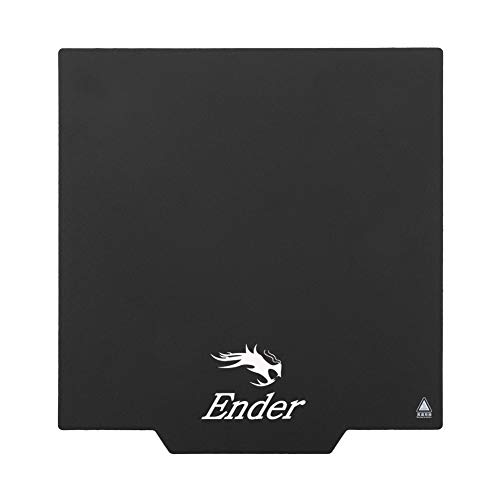
Comgrow 235x235mm Magnetic Build Surface
Best for: Standard 235x235mm magnetic beds
- Dimensions
- 235X235mm
- Color
- Black
- Weight
- 8.82 ounces
View on Amazon: Comgrow 235x235mm Magnetic Build Surface Affiliate link
This Comgrow build plate is a removable magnetic surface for 3D printers. It measures 235 by 235 millimeters, fitting standard 9.25 by 9.25 inch frames. The plate is 0.08 inches thick and weighs 8.82 ounces. It comes in black. You should use this plate if you need a standard-sized magnetic surface for your printer bed.
Pros
- 235x235mm build area size
- Removable magnetic design
- Lightweight 8.82 oz construction
- 0.08 inch thickness
Cons
- Limited to 235x235mm size
- No textured surface option listed
- Requires careful magnetic alignment
Good fit if
- You need a standard 235x235mm magnetic plate
- You prefer a lightweight build surface
- You want a simple black plate
Skip if
- You require a larger build area
- You need a textured PEI surface
- You want a thicker plate
Verdict: Comgrow Magnetic Build Plate 235x235mm is a standard magnetic replacement for printers with a 235x235mm bed. It fits users who need a basic, lightweight magnetic surface.

BIQU 257x257mm PEO and PEI Build Plate
Best for: Bambu Lab users wanting dual-surface versatility
- Primary Material
- Spring steel
- Dimensions
- 257x257mm
- Build Surface Type
- Smooth PEO, textured PEI
- Build Plate Material
- PEI, Spring Steel, PEO
View on Amazon: BIQU 257x257mm PEO and PEI Build Plate Affiliate link
This BIQU build plate offers a 257x257mm spring steel base with two distinct printing surfaces. One side features a smooth PEO finish for diamond patterns, while the other provides a textured PEI surface. The magnetic design allows for easy print removal by bending the plate. It fits Bambu Lab printers including the P1P, P1S, and X1C. This dual-sided option gives you versatility for different filament types and finish preferences.
Pros
- Dual-sided surface with smooth PEO and textured PEI options
- 257x257mm size compatible with major Bambu Lab models
- Magnetic attachment enables quick print removal
- Spring steel base ensures high flatness and stability
Cons
- Requires disabling bed detection sensors on P2S and X2D models
- Limited to 257x257mm platform size
- Black and gold color scheme may not match all aesthetics
Good fit if
- You print on Bambu Lab P1P, P1S, or X1C printers
- You want both smooth and textured finishes on one plate
- You prefer magnetic build surfaces for easy part removal
Skip if
- You use an A1 Mini with a smaller build area
- You need bed detection to remain active on P2S or X2D
- You require a single-sided textured PEI plate only
Verdict: BIQU Double-Sided PEI Build Plate 257x257mm provides a versatile dual-surface solution for Bambu Lab users who need both smooth and textured finishes. It is ideal for those who value magnetic ease of use and flatness, provided you can manage sensor settings on newer models.
Specifications side by side
| Spec | Comgrow 235x235mm Magnetic Build Surface | BIQU 257x257mm PEO and PEI Build Plate |
|---|---|---|
| Primary Material | not stated | Spring steel |
| Dimensions | 235X235mm | 257x257mm |
| Build Surface Type | not stated | Smooth PEO, textured PEI |
| Color | Black | PEO+PEI-Black/Gold |
| Build Plate Material | not stated | PEI, Spring Steel, PEO |
| Build Plate Size | 235x235mm | 257x257mm |
| Surface Finish | not stated | Smooth, Textured |
| Weight | 8.82 ounces | not stated |
| Size | 1-Pack | P1/P2/X1/A1/X2D |
| Model | NEW-RCTT-FBA-1 | not stated |
Frequently asked questions
Which build plate is better for small printers?
The Comgrow plate is the better choice for smaller machines. It is sized specifically for 235x235mm beds. The dimensions are 9.25 by 9.25 inches. This ensures a precise fit without overhang. You get a lightweight surface that weighs 8.82 ounces. It provides a standard magnetic removal experience for basic needs.
Does the BIQU plate work with Bambu Lab printers?
Yes, the BIQU plate is designed for Bambu Lab users. It supports models like the P1, P2, X1, A1, and X2D. The plate size is 257x257mm, which matches these larger platforms. You receive a dual-surface option with both smooth and textured finishes. This versatility helps you achieve different print results on compatible hardware.
What is the difference between PEO and PEI surfaces?
The BIQU plate features two distinct finishes for varied printing needs. One side offers a smooth PEO surface for diamond patterns. The other side provides a textured PEI finish. This double-sided design allows you to switch between smooth and textured prints. You do not need to buy separate plates for different aesthetic requirements.
Is the Comgrow plate single-sided or double-sided?
The Comgrow build surface is single-sided. It presents a uniform black finish across the entire 235x235mm area. You cannot switch between different surface textures on this specific model. It is a straightforward magnetic replacement for printers with smaller beds. The design focuses on basic functionality and easy print removal.
How thick are these magnetic build plates?
Thickness varies by the specific model you choose. The Comgrow plate measures 0.08 inches in height. This slim profile fits standard printer configurations well. The BIQU plate specifications do not list a thickness value. You should check the compatibility list for your specific printer model to ensure proper clearance.
Which plate is lighter for shipping or replacement?
The Comgrow plate is the lighter option. It weighs 8.82 ounces. This makes it easy to handle and replace. The BIQU plate data does not provide a weight specification. You may find the Comgrow model more convenient if you need a lightweight accessory for your smaller 235x235mm printer bed.